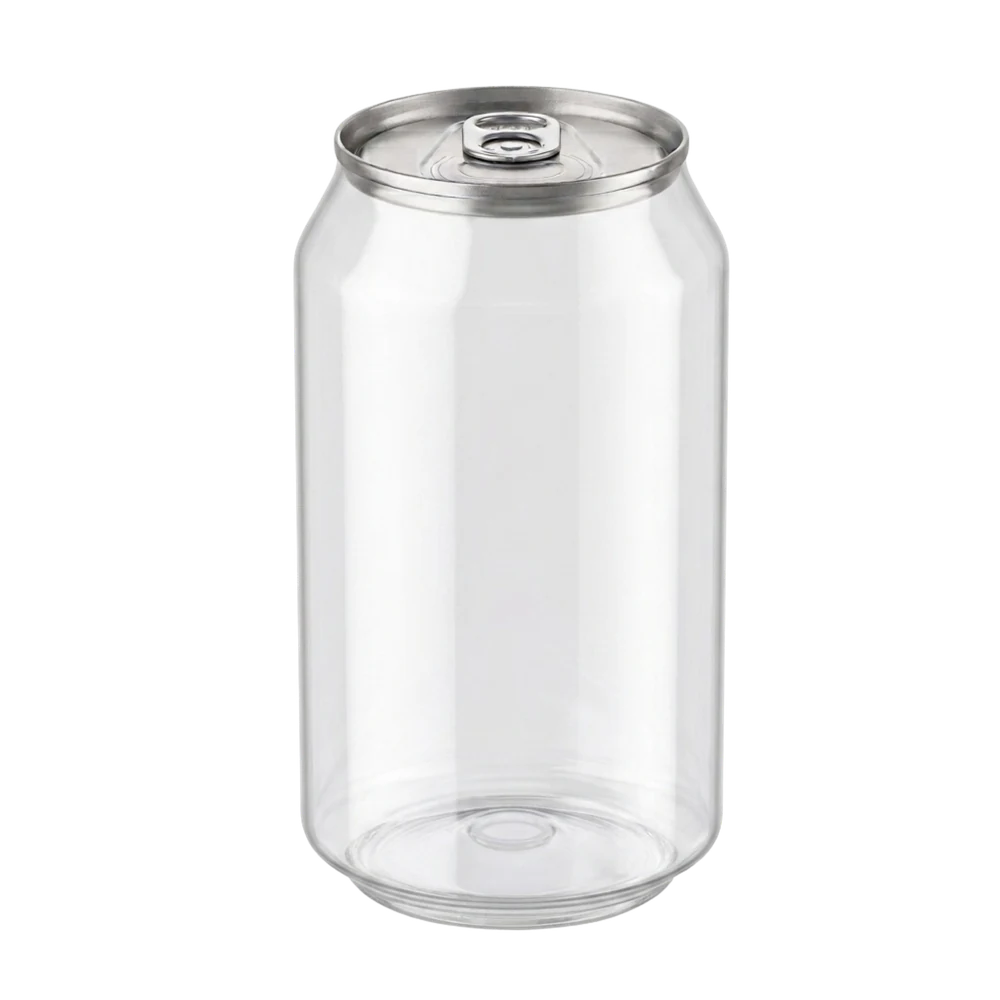
Recycled content
Sustainable packaging, recycled PET and PCR resin
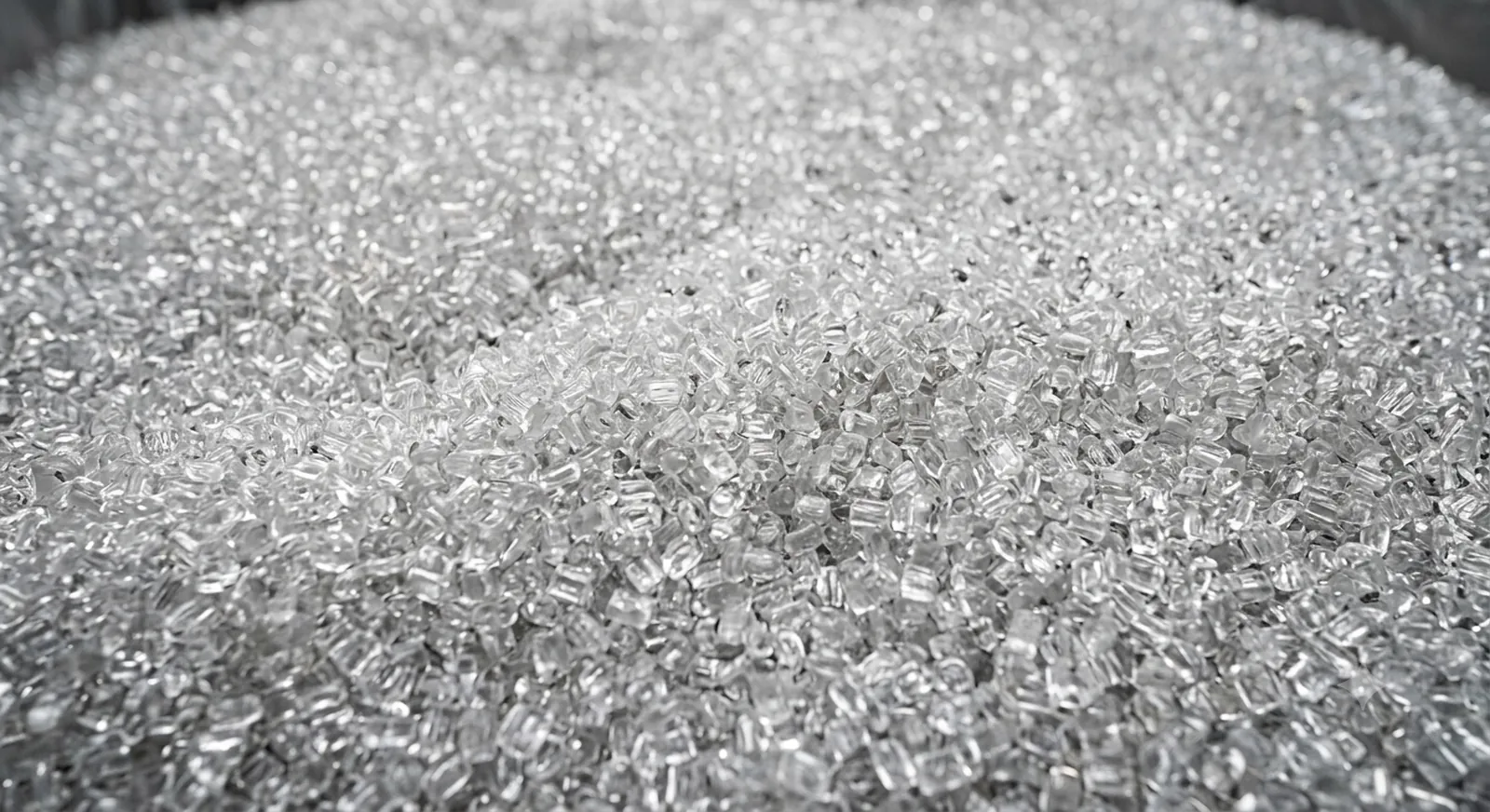
PET is one of the most recycled packaging materials in the world, and Mexico has a consolidated collection and reprocessing chain. We offer containers with recycled content and PCR resin through our sister company P4P (Plastics for People), which produces polypropylene PCR resin, plus hot-washed PET flake that we manufacture ourselves.
- Containers with recycled content, to order
- PP PCR resin and hot-washed PET flake produced by P4P
- Mono-material design for easier reprocessing
- Documented traceability of the recycled material
Rigid plastic really is recycled
Many buyers assume the opposite, so it is worth stating plainly what happens to a rigid container after it is used.
- PET has a real, economically viable loop. It is collected, washed, pelletized and turned back into product. Not a theoretical possibility — an operating circuit.
- Mexico stands out internationally in PET recovery. There is a formal collection and recycling industry with steady demand for recovered material.
- PP is recycled too, and it is the basis of the PCR resin P4P produces.
- Recovered material has value — that is precisely why it gets picked up. A PET container is not waste at the end of its use; it is feedstock for another process.
- Recycling PET takes far less energy than melting glass, which demands very high temperatures.
- Lower weight. Moving plastic burns less fuel per product delivered, both when distributing it and when collecting it for recycling.
What we offer today
- PP PCR resin and hot-washed PET flake, produced by P4P (Plastics for People), our sister company.
- Containers with recycled content to order. The percentage is defined when we quote, according to the product and the volume.
- Documented traceability of the recycled material.
- Food grade with FDA 21 CFR documentation where applicable.
Standing on the recycling side of the business, and not only on the consumption side, is what lets us offer recycled content with real backing: the material comes from an operation we know, so we can document where it came from instead of simply passing along a supplier's claim.
How to design a more recyclable container
- Mono-material. A container made of a single type of plastic recycles far better than one combining materials; matching the container and the closure in the same resin makes reprocessing easier.
- Add recycled content (PCR) wherever the application allows it.
- Lightweighting. Choose the right gauge instead of the heaviest one out of habit.
- Standardize neck finishes so closures can be reused across products.
- Avoid labels and adhesives that hinder washing. The container should be separable and cleanable.
- Prefer clear resin and light tones: they have a better outlet as recovered material than dark ones.
What we do not promise
Not every product admits recycled content. Some uses require virgin resin for regulatory reasons or because of food contact, and the PCR percentage depends on the product. We review it case by case before quoting.
Frequently asked questions
- Is PET actually recycled in Mexico?
- Yes. PET is one of the most recycled packaging materials in the world, and Mexico has a consolidated collection and reprocessing chain: the material is collected, washed, pelletized and turned back into product. It is not a theoretical possibility, it is a formal industry with steady demand for recovered material.
- What is PCR resin?
- PCR stands for post-consumer recycled content: resin made from material that already served its useful life, recovered and reprocessed instead of virgin resin. Our sister company P4P (Plastics for People) produces PP PCR resin, and we manufacture hot-washed PET flake ourselves.
- Do you supply containers with recycled content?
- Yes. We supply containers with recycled content to order, along with PCR resin produced by P4P, with documented traceability of the recycled material and FDA 21 CFR food-grade documentation where applicable.
- How much PCR content can I use in my container?
- It depends on the product, the application and the volume. The percentage is defined when we quote and reviewed case by case: some uses require virgin resin for regulatory or food-contact reasons.
- What is a mono-material container and why does it matter?
- It is a container made from a single type of plastic, ideally with a closure in the same material. With no mixed materials, reprocessing is far simpler and the container has a better outlet as recovered material at end of life.
Where to go next
Check the materials guide to pick the right resin, compare plastic or glass, and browse bottles and jars.
Tell us your product, your volume and whether you need recycled content: we quote the model, confirm what PCR percentage is feasible and can send samples before you commit.
Custom Solutions
Everything your packaging needs, in one place; Manufacturing, customization, sourcing and tailor-made solutions.
A single provider. All packaging solutions
Request a Quote